Right-of-Way
A clear right-of-way improves power quality, reliability, and safety.

A clear right-of-way improves power quality, reliability, and safety.
Electricity is a powerful force, and when trees and brush grow too close to power lines, that power can become dangerous. Branches that touch lines—or even come close—can carry electrical current. Children climbing trees in their own yards may not realize the risk. And during storms, fallen trees can create hazardous conditions not only for families but also for our lineworkers working to restore service.
Scenic Rivers Energy Cooperative's right-of-way (ROW) program requires removing vegetation, typically, from a 20-foot corridor on both sides of power lines to ensure safe conditions and reliable power. Preventative maintenance—like tree trimming—is far more cost-effective than repairing widespread damage after an outage. Left unchecked, overgrown vegetation can lead to more frequent disruptions and higher costs for everyone. A thoughtful, strategic vegetation management program helps keep those costs down for our members.
For more information, please view the right-of-way brochure below or call us at 800-236-2141.
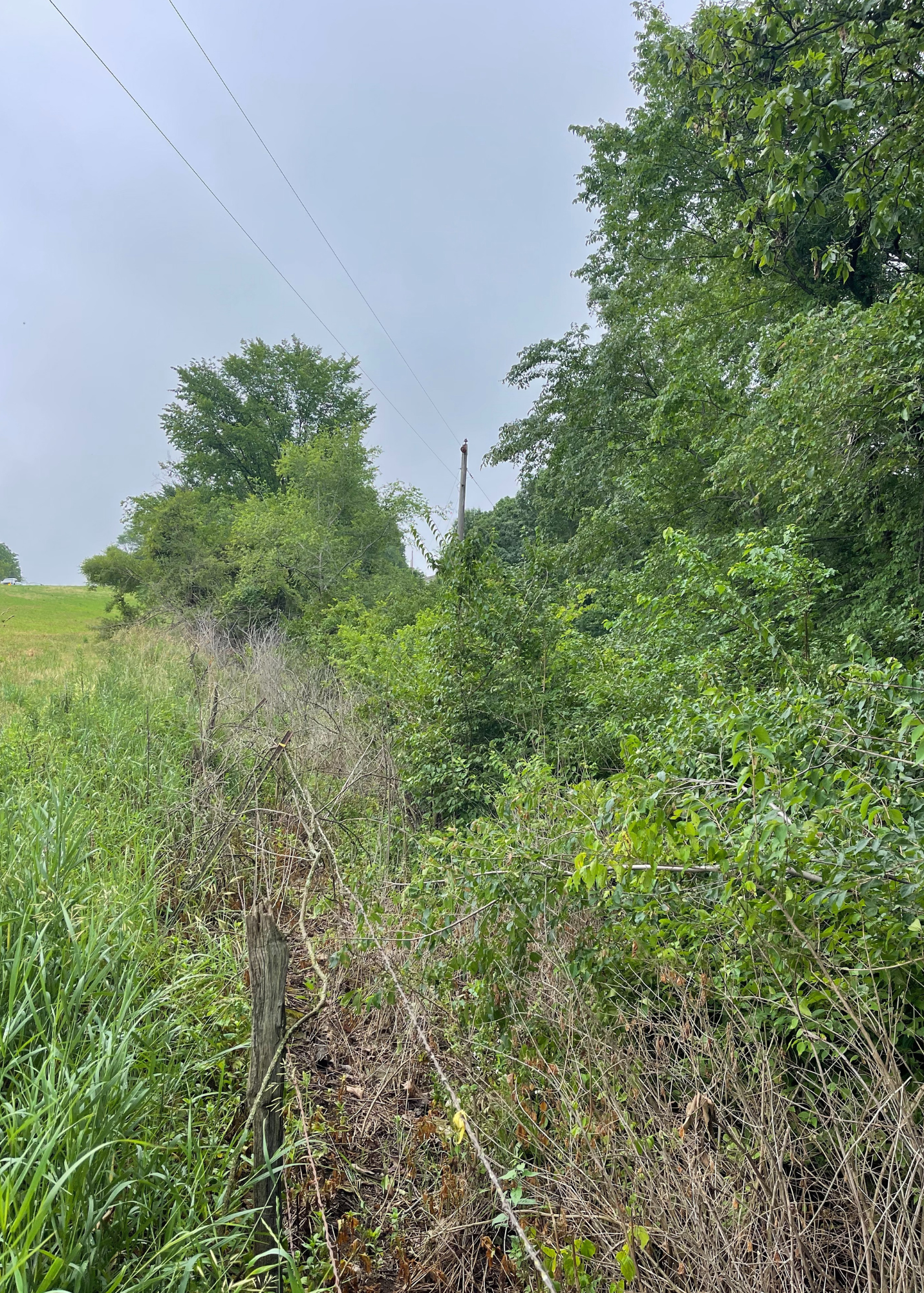
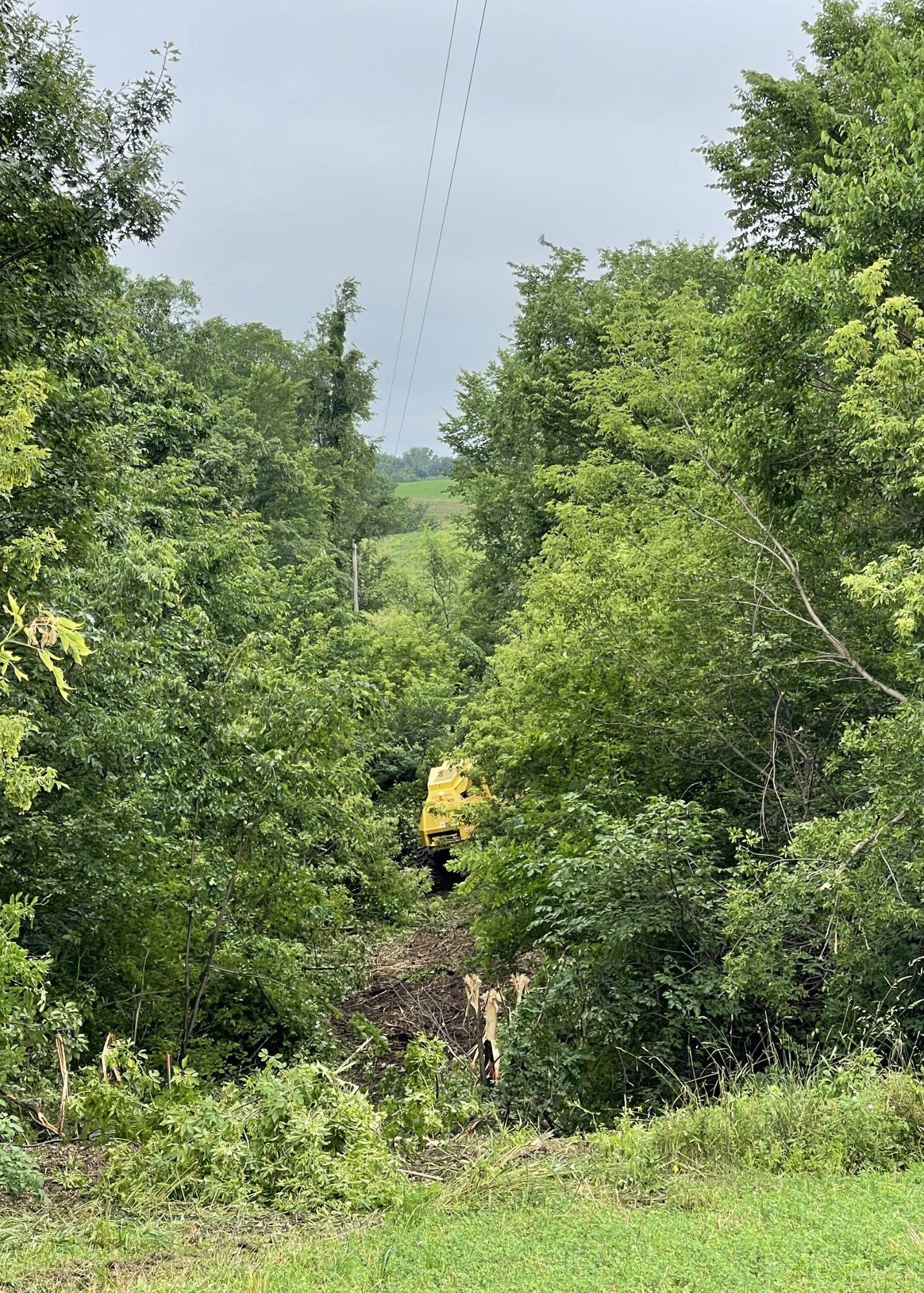
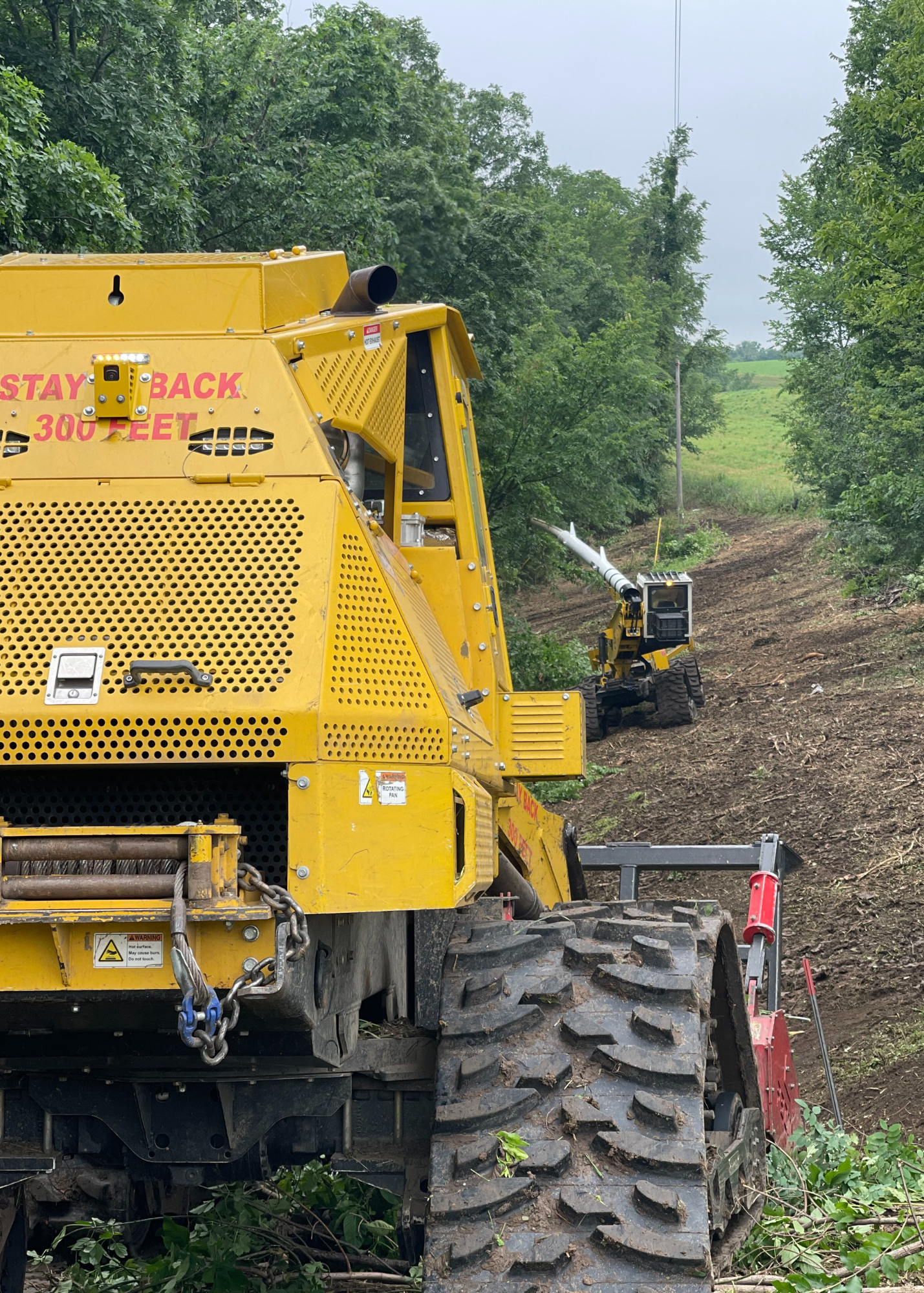
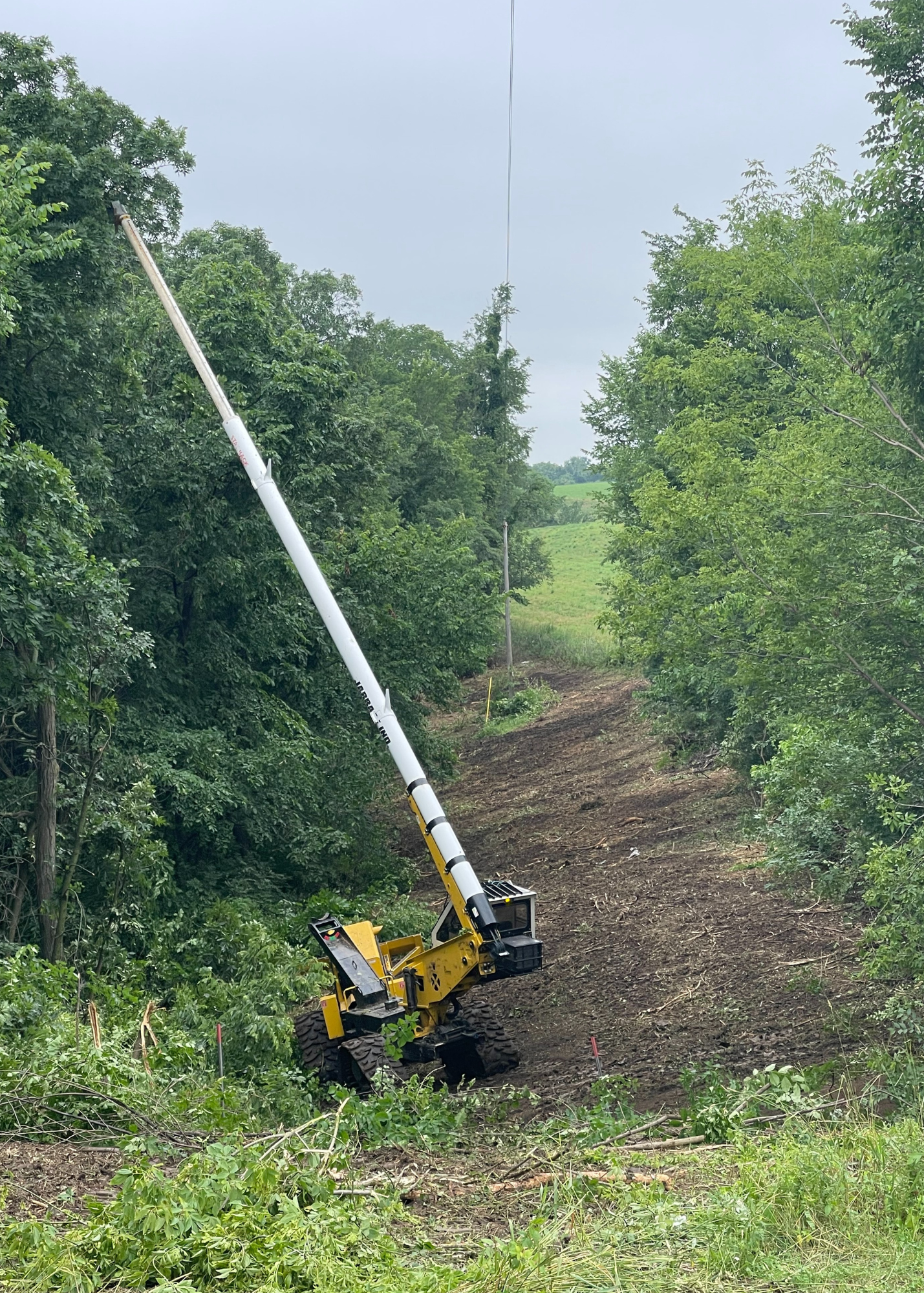
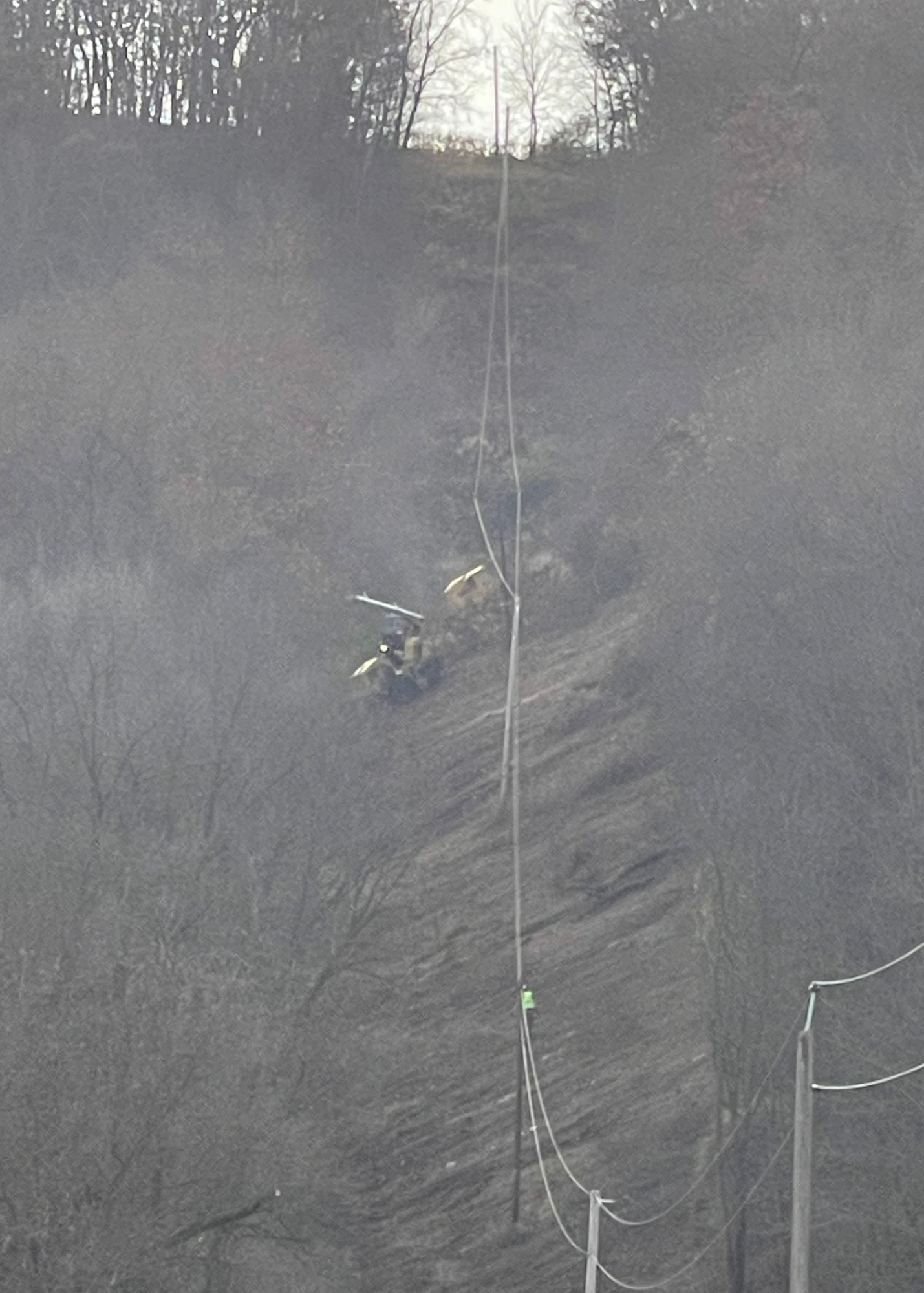
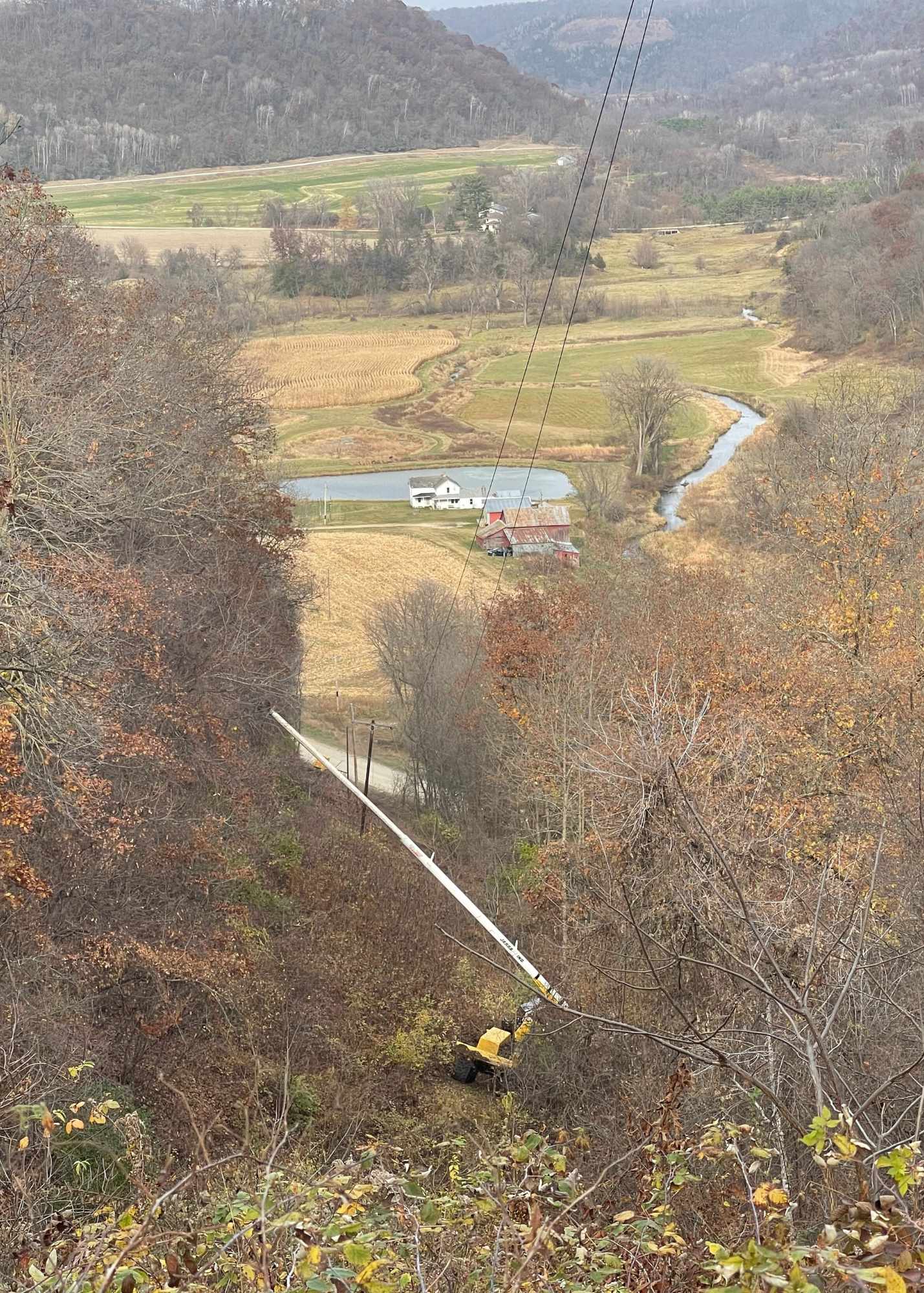
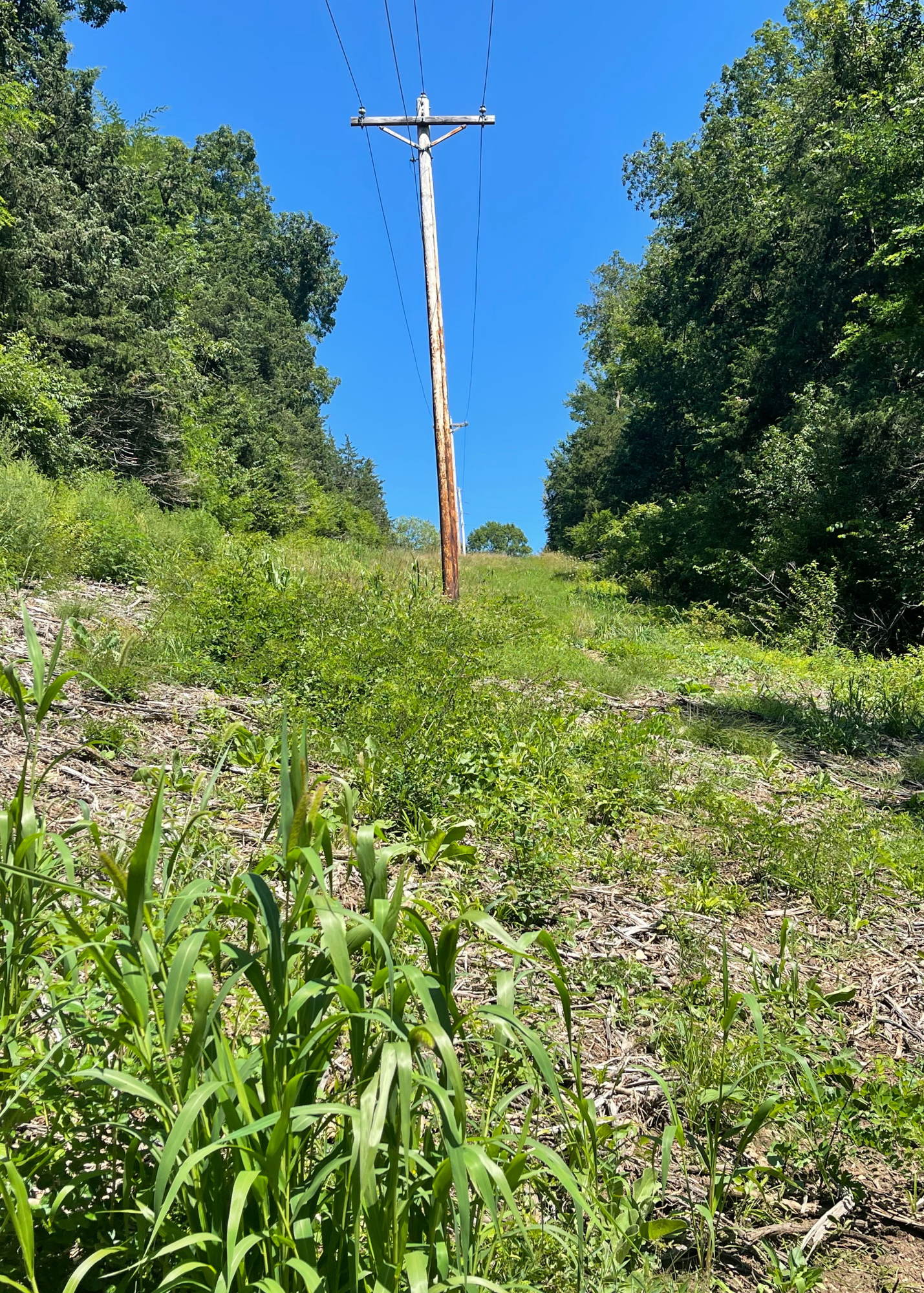
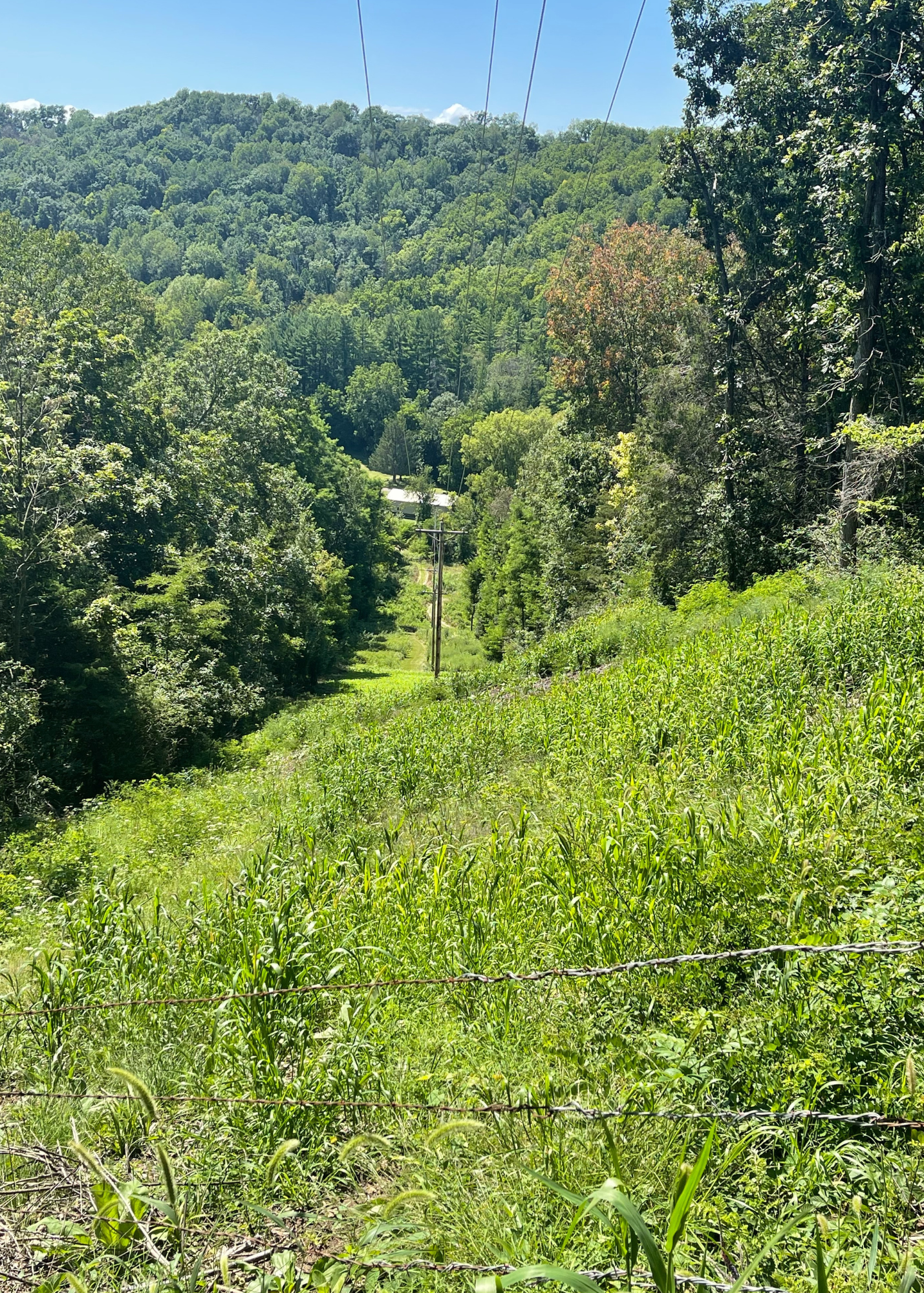
Photos showing SREC service territory before, during, and after a right-of-way is cleared.
When your power goes out, our primary goal is to restore it as quickly and safely as possible. If a tree causes an outage in the middle of the woods with overgrown vegetation, lineworkers must first clear a path to reach the area needing repairs. Combined with poor outdoor conditions, reduced visibility, and the challenging driftless hills and terrain, our lineworkers need to be extra cautious and move more slowly. Clear rights-of-way enable line crews to respond to outages more quickly, allowing us to restore power faster for you, our members. They also help reduce the number of outages. Take a look at the before and after photos, showcasing the impact of our ROW program.
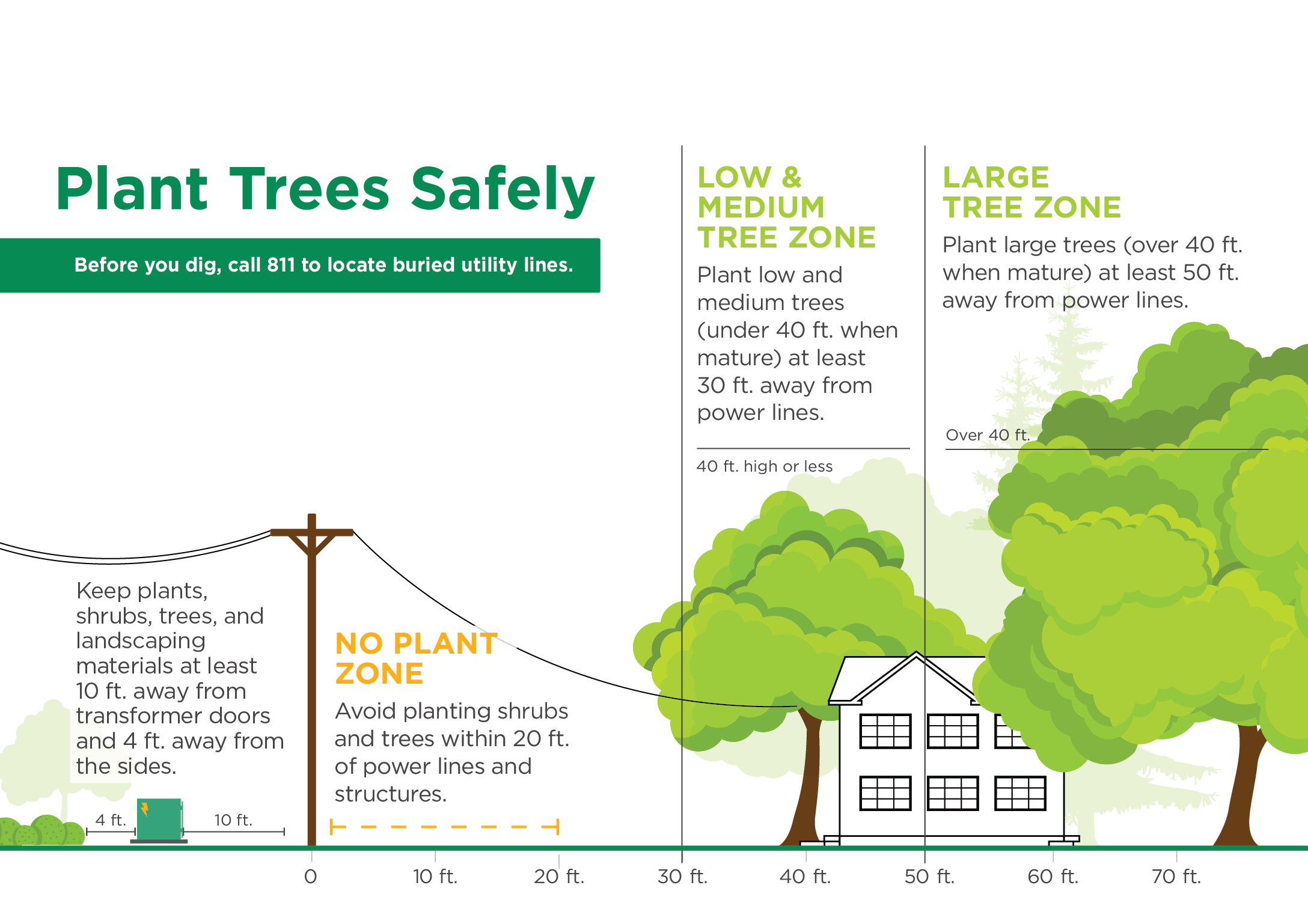
When planting new trees and shrubs, consider their mature height and distance from nearby power lines. Plants and shrubs should be planted at least 30 feet away from power lines and poles. Trees that grow up to 40 feet should be planted at least 30 feet away from overhead lines. Larger trees—those that exceed 40 feet—should be planted at least 50 feet away. If you’re landscaping near pad-mounted transformers, keep plants, shrubs, trees, and landscaping materials at least 10 feet from the front and 4 feet from the sides to allow safe access.